
As a botanical artist and teacher of over twenty years I’ve put together a list of Essential Supplies for Beginners, giving you help in crafting your perfect painting starter pack.
Katy Botanicals painting materials Starter Pack
When you start painting and drawing you’re going to need a basic set of materials to enable you to really enjoy yourself. Here I’ve put together a short list or starter pack which will provide the foundations to your art supplies.
These suggestions include materials for watercolours, acrylics and oils and can obviously be added to as you find your niche. I’ve also included a few additional and optional materials at the end of this list which I find useful.
Why would I start a painting with a pencil and rubber or eraser?
A tin of pencils is an important tool for any painter, a quick or careful pencil sketch enables you to place your painting nicely on the page or canvas, and plan out the difficult bits before you start. Sometimes you may like to create a sketch that’s soft and relaxed, for which a B (Black) or 2B would be perfect, or you might want to create a light sketch that’s hard to see under the finished painting, for which an H (Hard) or 2H would be more suitable.
Rubbers or erasers: a good quality, soft and clean rubber is a very good friend. I always carry a few with me.
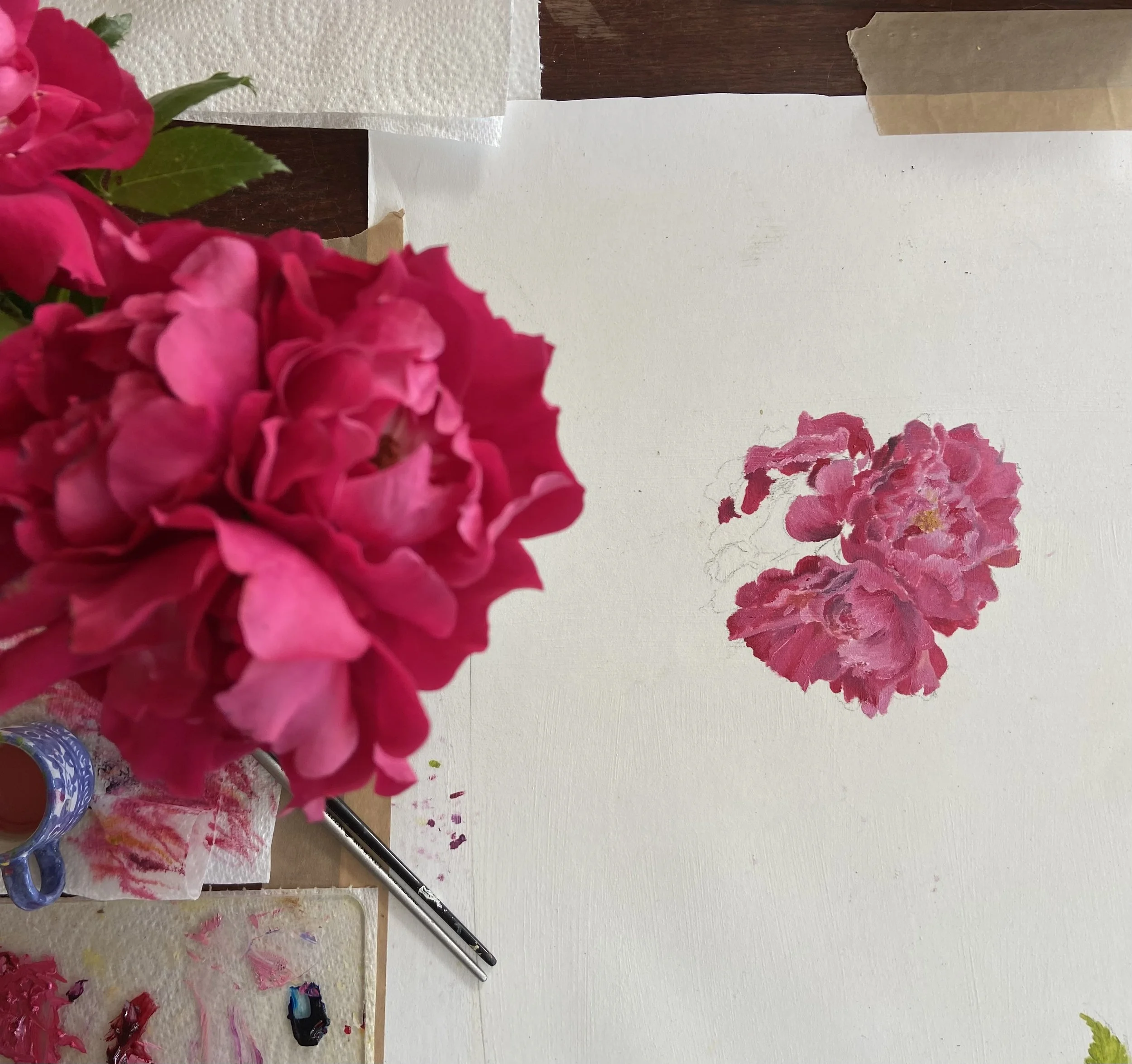
Oil painting of English roses showing under sketch in pencil
Which colours to choose for painting almost all paintings?
The following colours can be used to make up any shade or tone you need in a painting, but if you find you’re reaching for particular colours often, ones that you’re having trouble creating and would like, then do buy more specific hues.
· Quinacridone red
· Cadmium yellow
· phthalocyanine or ultramarine blue
· sap green (green is surprisingly difficult to mix)
· burnt sienna (brick colour)
· magenta (pink/purple)
· Titanium white
· Black – I avoid using black as it can dull a painting, instead I mix red, yellow and blue to create a very dark hue that won’t fight with the other colours in your painting. If this isn’t working for you, then try Payne’s Grey, it’s softer than black.
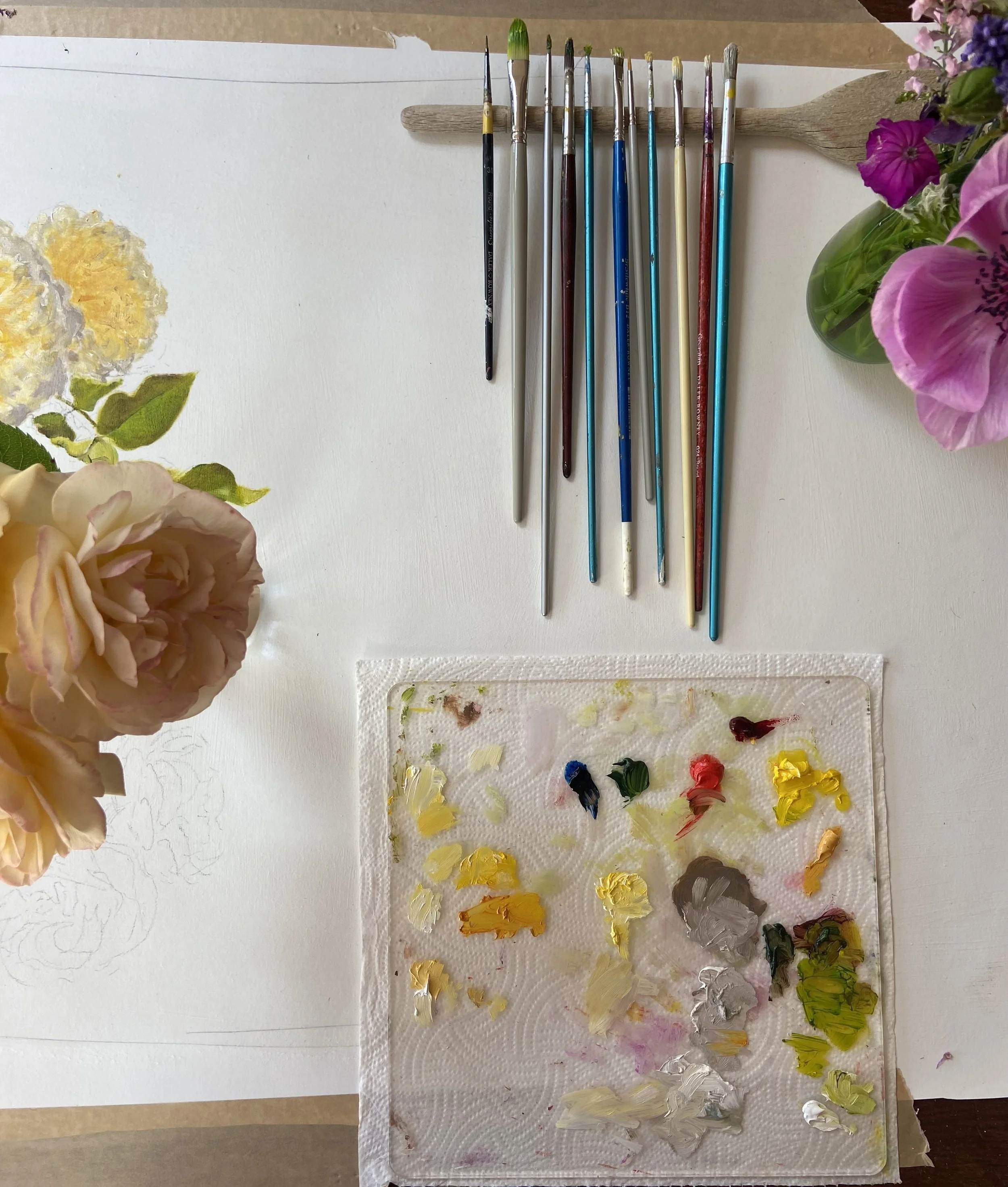
Some of the brushes and the glass palette I use for oil painting
Which paint brushes to buy?
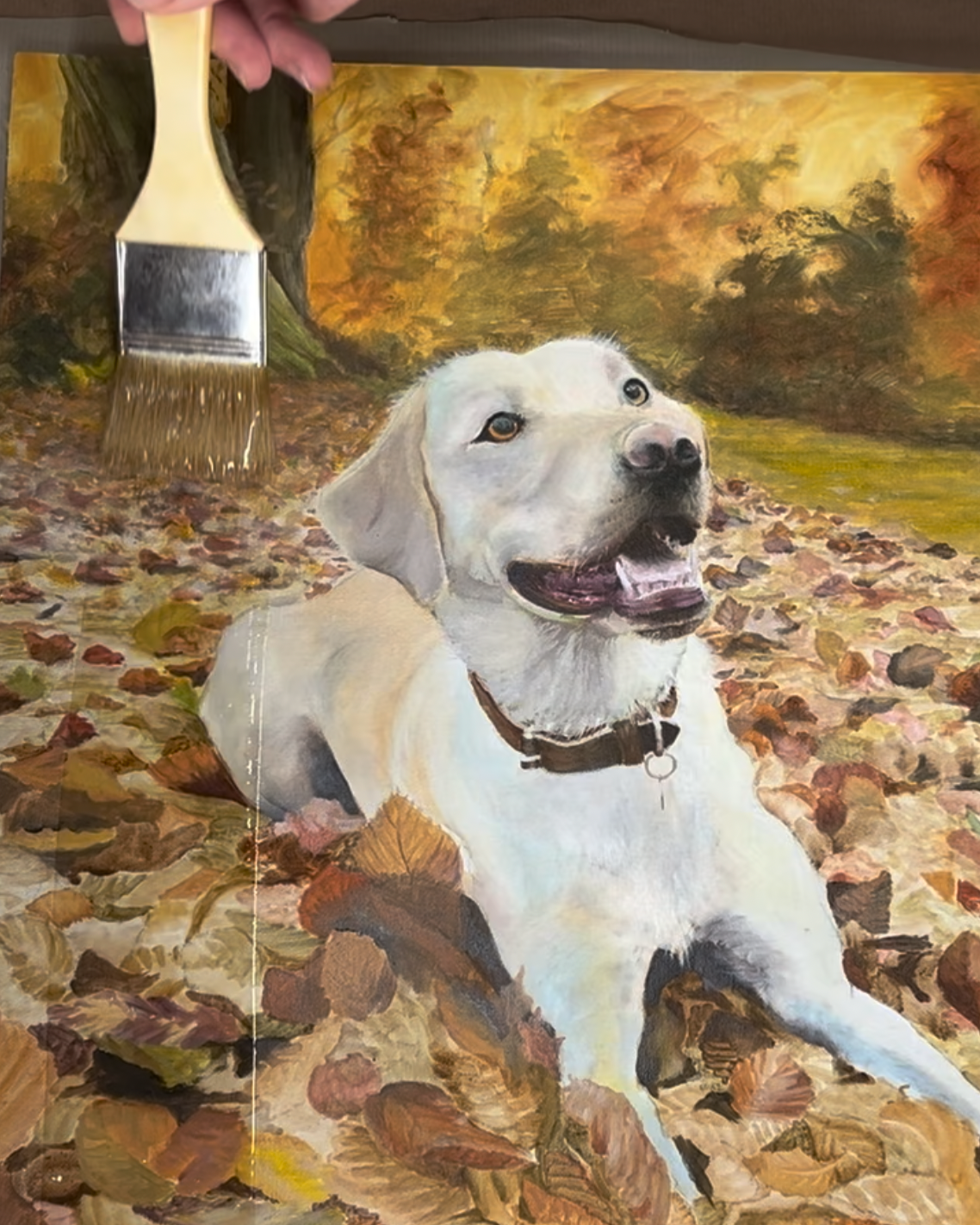
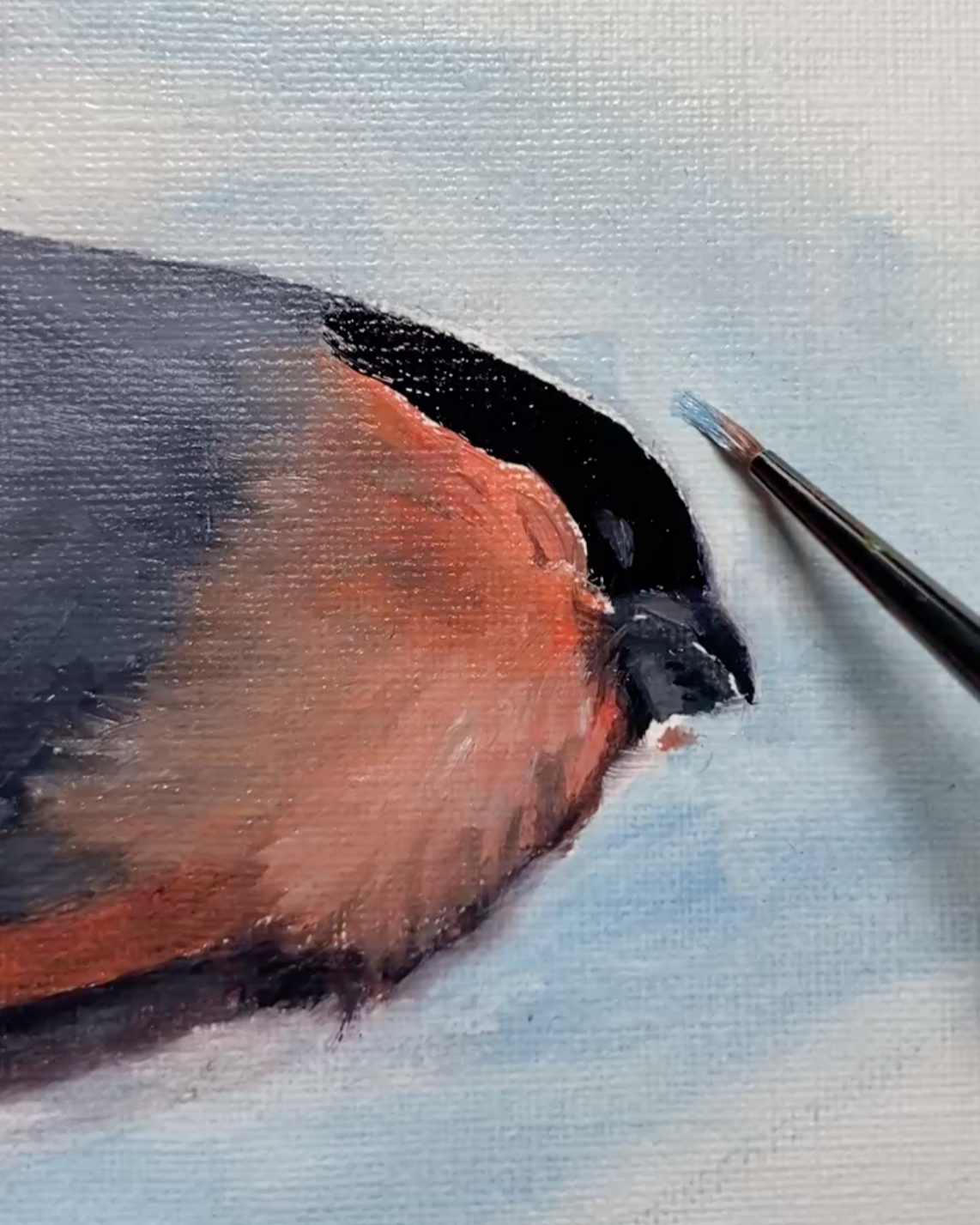
For oil painting and acrylics, the paint likes firmer brushes, to move the paint around.
For water colour painting, the brush needs to hold water and release it slowly so a softer, natural brush works better, with a long point so you can use it for wide sweeping strokes and detailed work.
Brush sizes and shapes (here are a selection of brushes that should cover all bases to start with)
Brushes for painting in oils and acrylics:
Filbert, long handle, size 6 (larger brush for backgrounds and blocking in colour)
Filbert, long handle, size 4 (e.g. for colour blocking your initial layers)
Round, long handle, size 4; short handle, size 8 (holds a lot of paint with a delicate tip)
Dagger, size ½ (good for painting long grasses, stems, etc in acrylics)
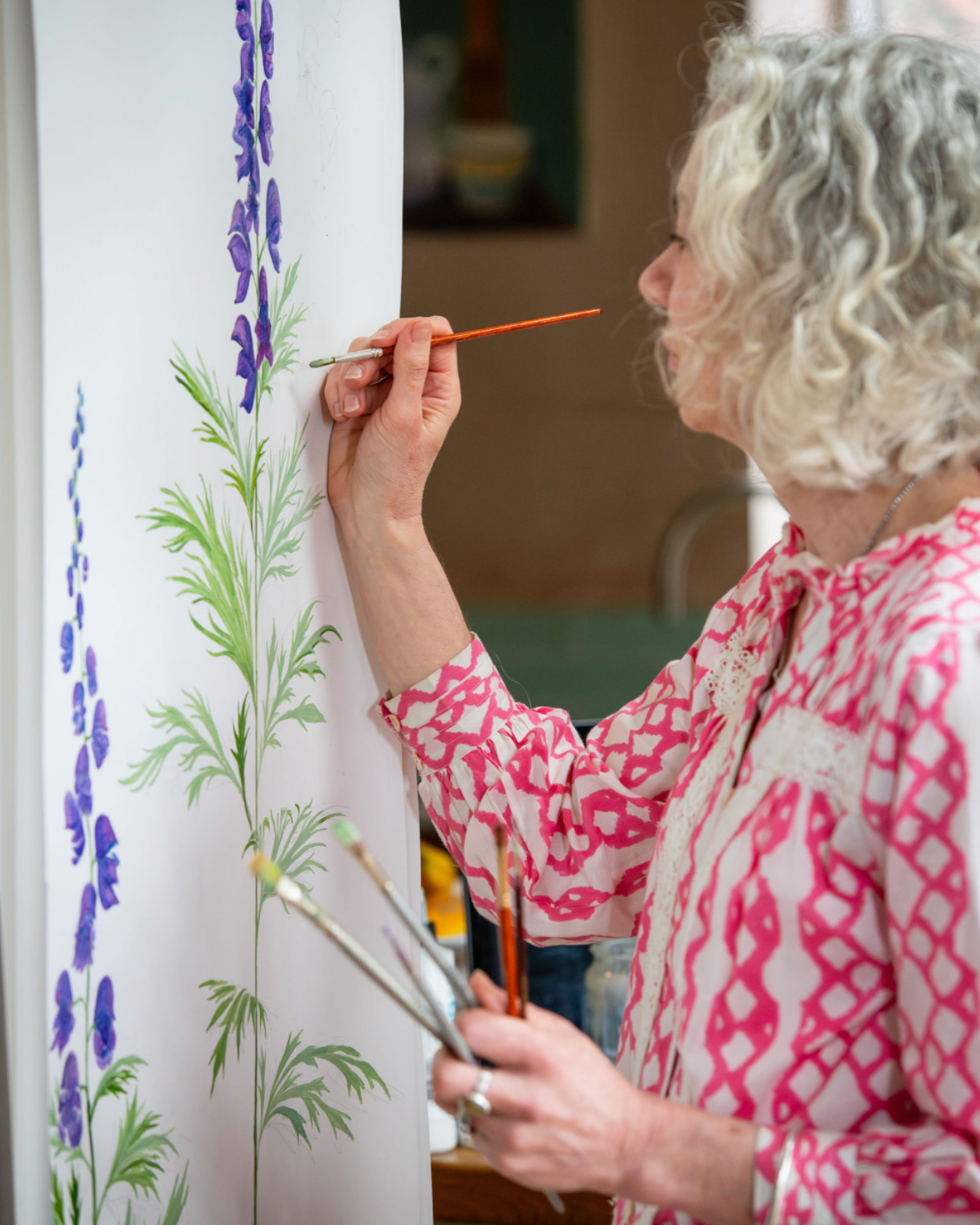
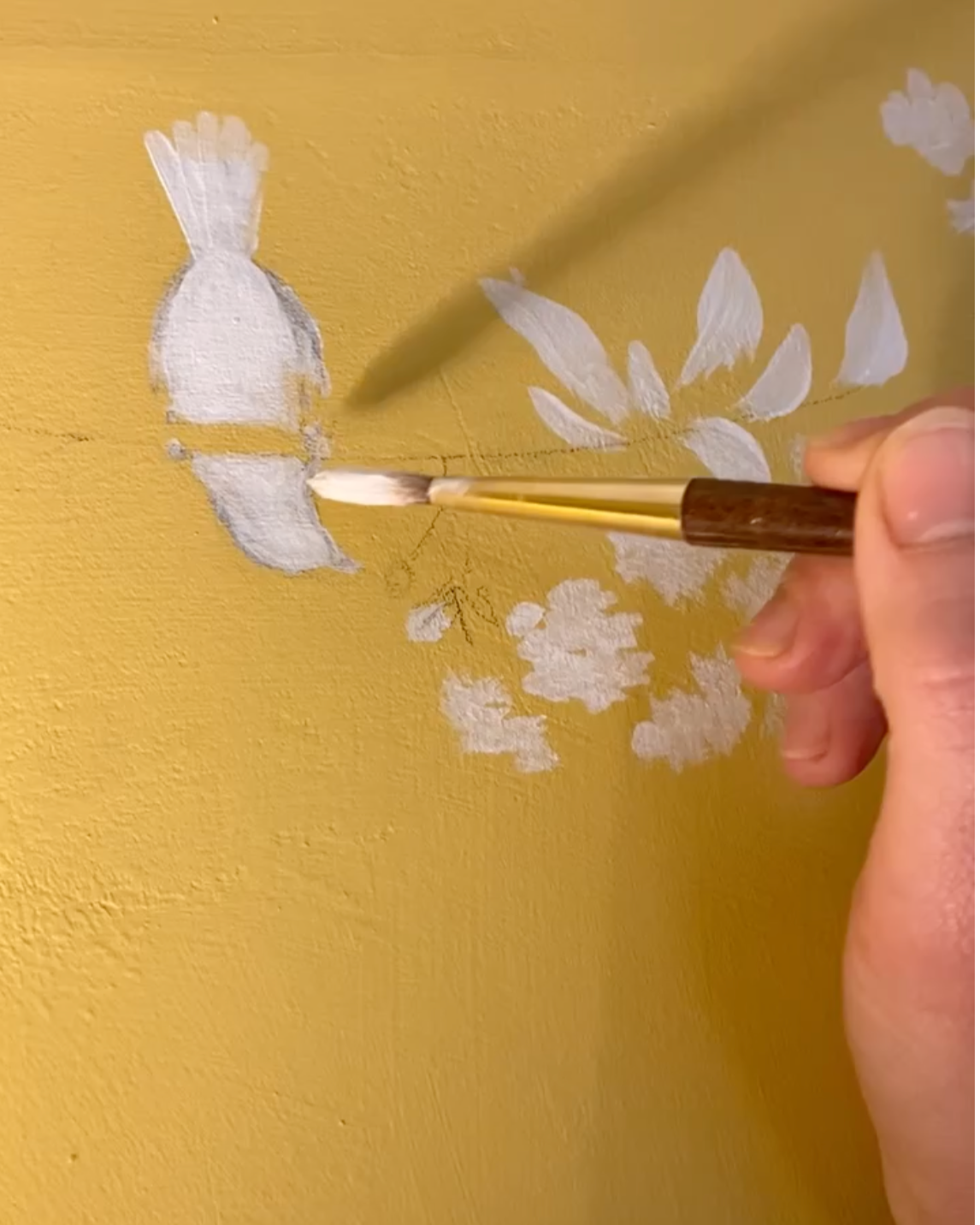
Brushes for watercolour painting:
Pointed round / round pointed, size 8 or 10 - animal hair is traditionally
used for bristles but if you prefer to use non-animal hair, then the new synthetic bristle brushes work very well too.
Round, short handle, size 4 (good basic brush)
Round, short handle, size 2/0 (for detailed work)
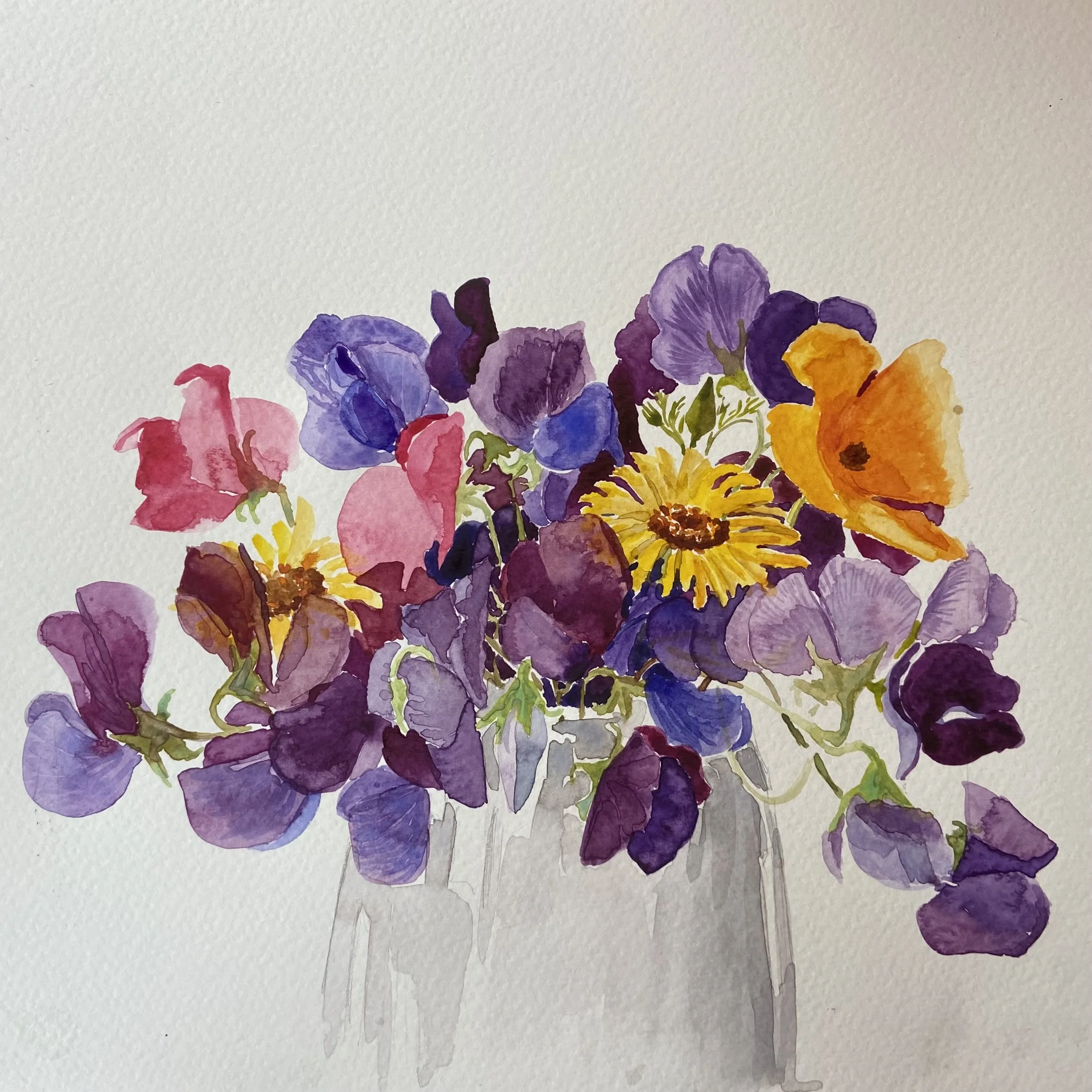
Watercolour botanical illustration of sweet peas, California poppies and marigold flowers
What is a painting palette and how do I choose one?
Palettes are just the flat surface you use to mix your colours on. The can be a piece of wood or a plate if that’ easier. Acrylics dry very fast and you can by ‘watertight’ palettes that have sealable lids which are great for keeping acrylics fresh and extending their usable life once out of the tube.
Palettes for oils: I’ve found the best palette to be a sheet of glass with a piece of white paper underneath.
If you buy a set of watercolours it should have an integrated palette which is perfect, or if not, a white plate works just as well.
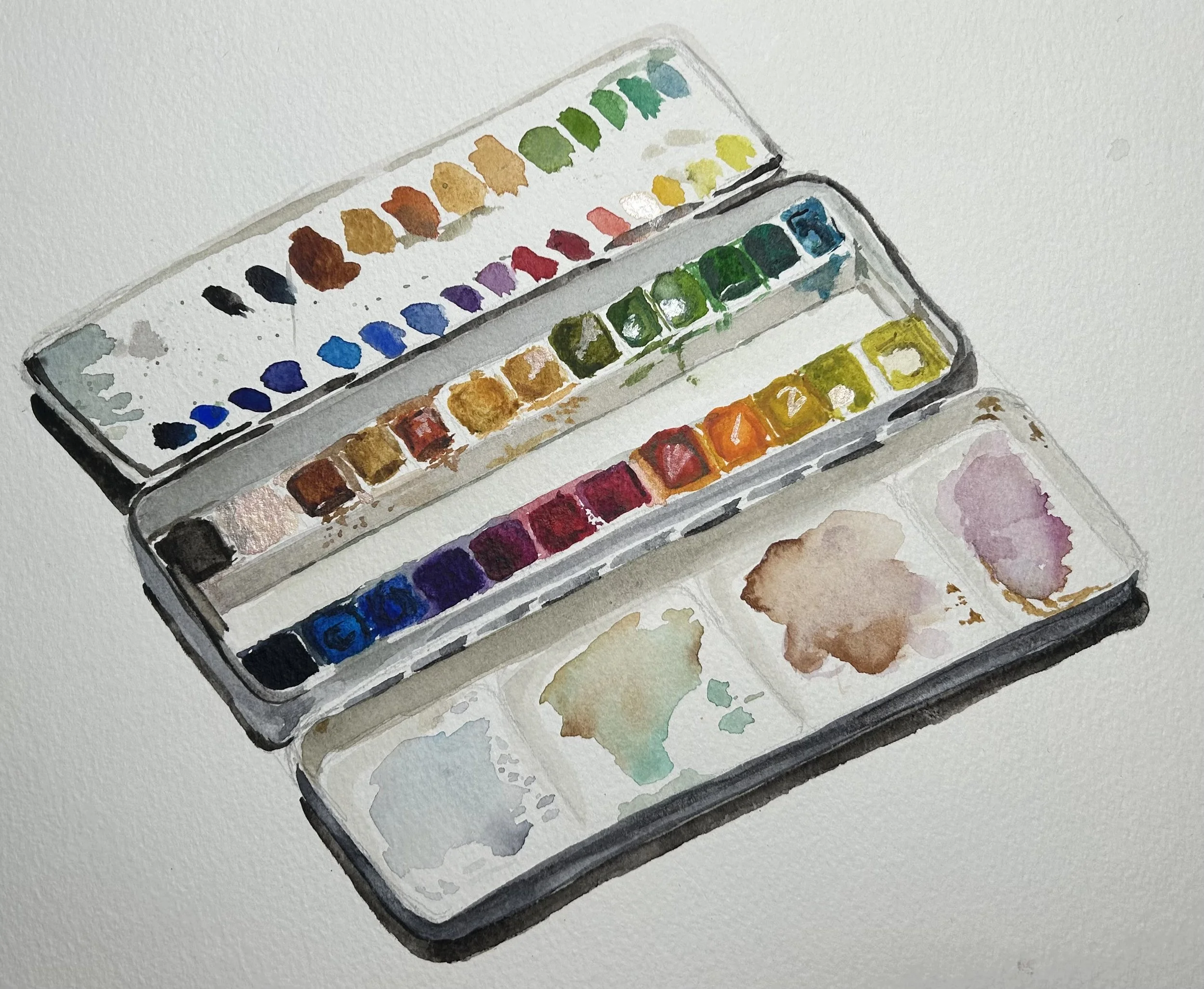
Painting / sketch of a watercolour box set and palette
When do I paint on canvas and when on paper?
Watercolours can be painted onto any watercolour paper, but the better quality the paper, the better the painting because the paint will sit on the top of the paper and not soak in, enabling wetting, colour merging and sharp lines.
Acrylics are very forgiving and can be painted onto pretty much any surface except an oil based one.
Oils can be painted onto anything treated with a primer to stop the oil absorbing into the paper or board, but is most commonly painted onto primed or treated canvas or board.
Test paper This is so important - it reduces anxiety and frees you up to experiment. A clean white sheet of test paper next to your canvas or pad can be used to test brush shapes, colours, depths of hues, shapes and new approaches to painting what’s in front of you. You can also use the edge of the paper to test colours by holding up your mixed hue against the subject matter. I always have a piece of test paper with me when I paint anything.
Kitchen roll I find kitchen roll indispensable for all mediums. Great for removing excess paint or water from the brush before using on the canvas or paper, great for cleaning brushes and checking brushes are absolutely clean at the end of the session, and I always add a dampened square of kitchen roll to my watertight palette to keep the paints soft.
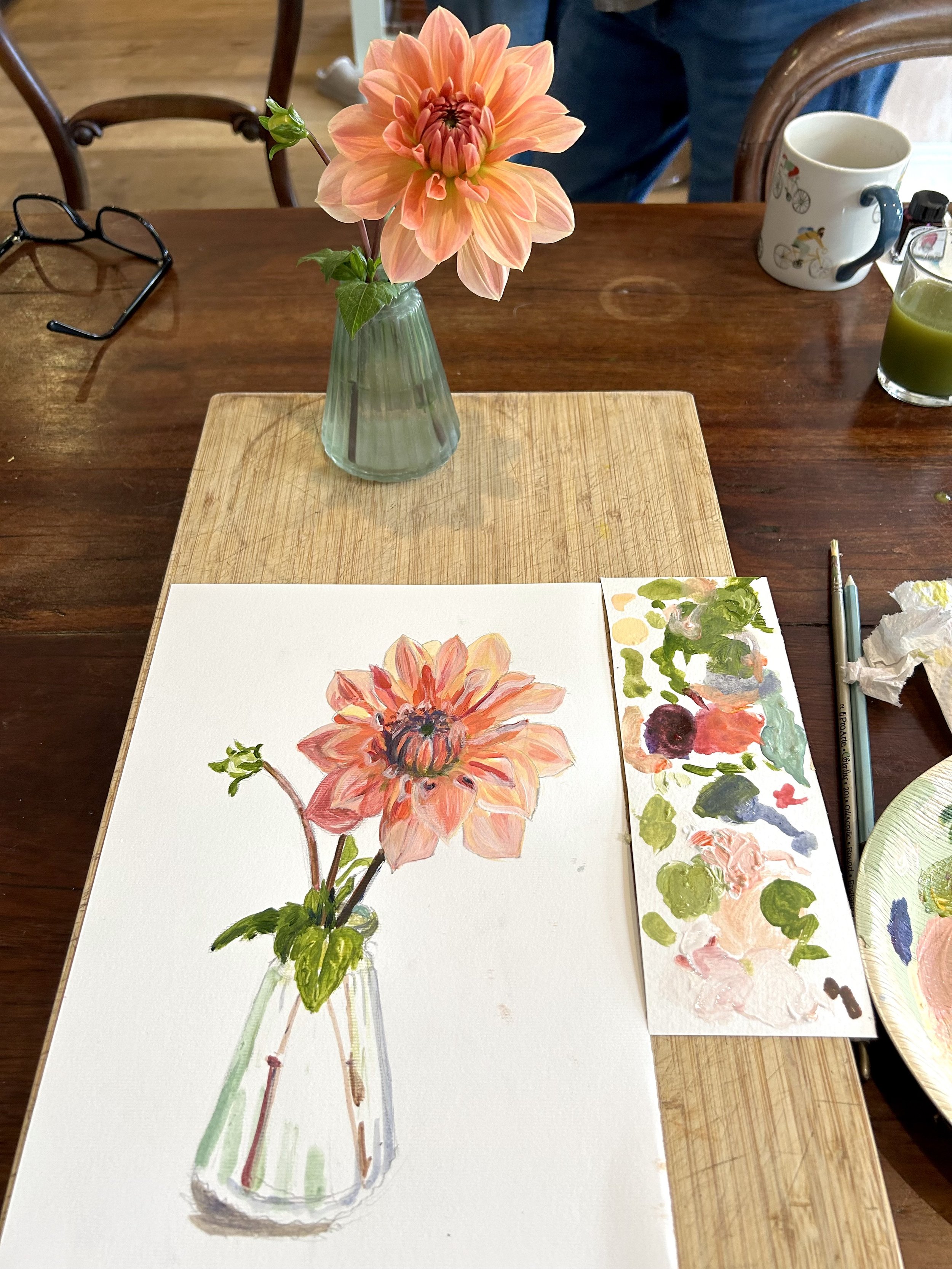
Painting sketch of dahlia showing test paper
Medium specific materials I use
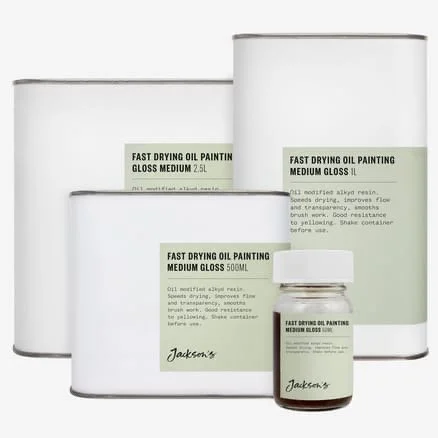
‘Satin’ glazing liquid to loosen the paint and help the colours blend and run across the page without clagging (Golden make a good version). Glazing fluid also slows the drying time. This revolutionised my experience of using acrylics and is well worth trying. Either add some to your water or dip your brush in it when necessary
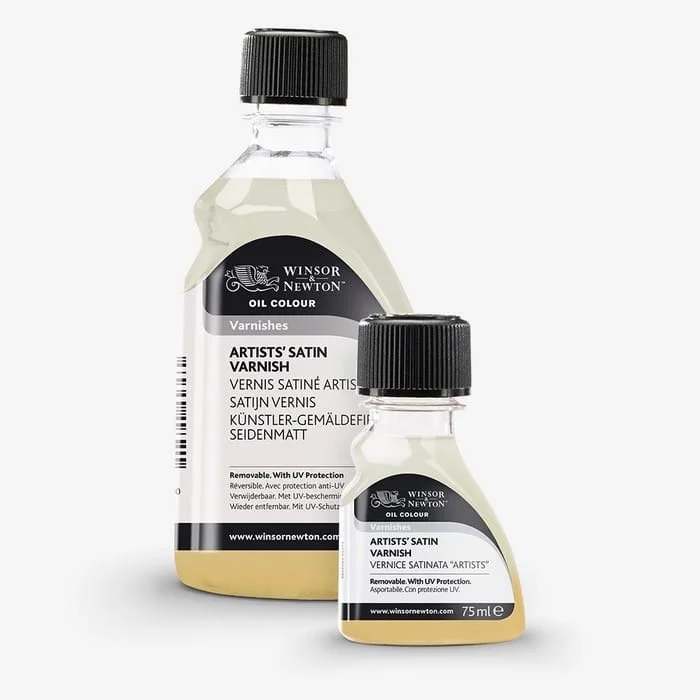
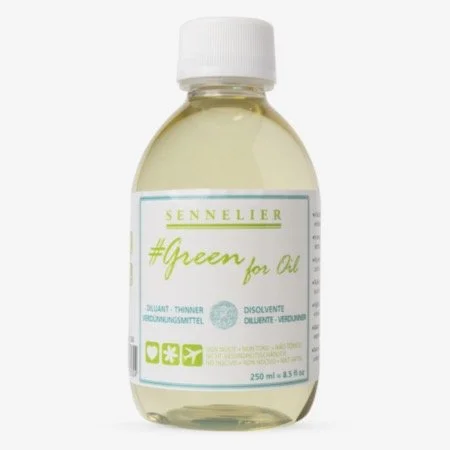
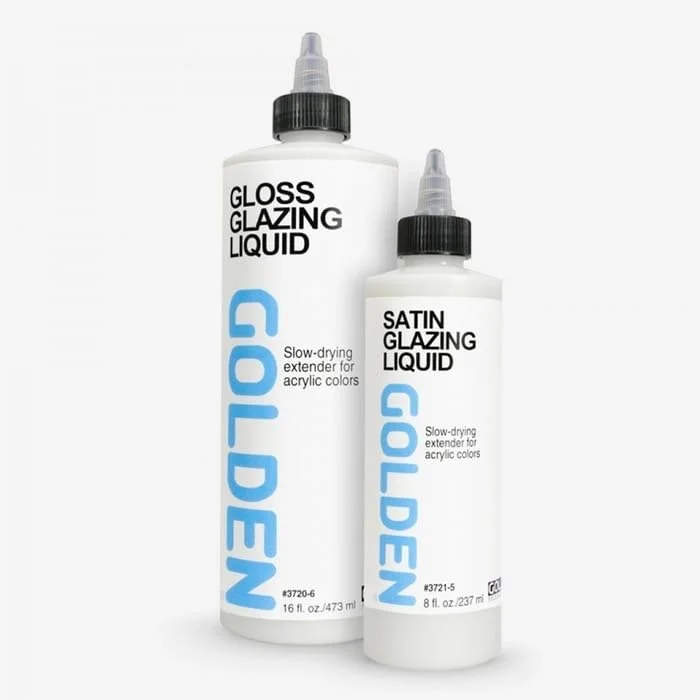
Watercolours
Masking tape or fluid is good for protecting the areas of the painting you’d like to stay white, for highlighting purposes or to create a boarder around your work.
When you paint in watercolours, remember to plan your painting ahead of time, and to paint light to dark. You can’t paint light over dark once it’s on the paper.
Cleaning oil painting brushes
Always leave time at the end of your session for cleaning your brushes, this extends their life and keeps the tips sharp. When I clean oil painting brushes, on the first clean I use any good vegetable oil to take the majority of the paint out of the brushes, then I just use warm water and washing up liquid. I find turpentine too harsh for my brushes but you’re welcome to use it if it works best for you.
Producers and supplies I’ve found that I like
Paints: Windsor and Newton, Daler and Rowney, Jackson’s own brand, Golden paints
Brushes: Daler and Rowney, Pro Arte, Jackson’s
Glazing liquid: Golden
Suppliers: Jackson’s Art is a great online company who supply a huge range of materials, help and support and now their own brand materials: www.jacksonsart.com
If there’s anything I’ve missed or you have specific questions, please don’t hesitate to contact me through the email below and I’ll offer any help that I can. And if you’d like to know about my next painting workshops, join my mailings list to be the first to hear.
Best wishes
Katy
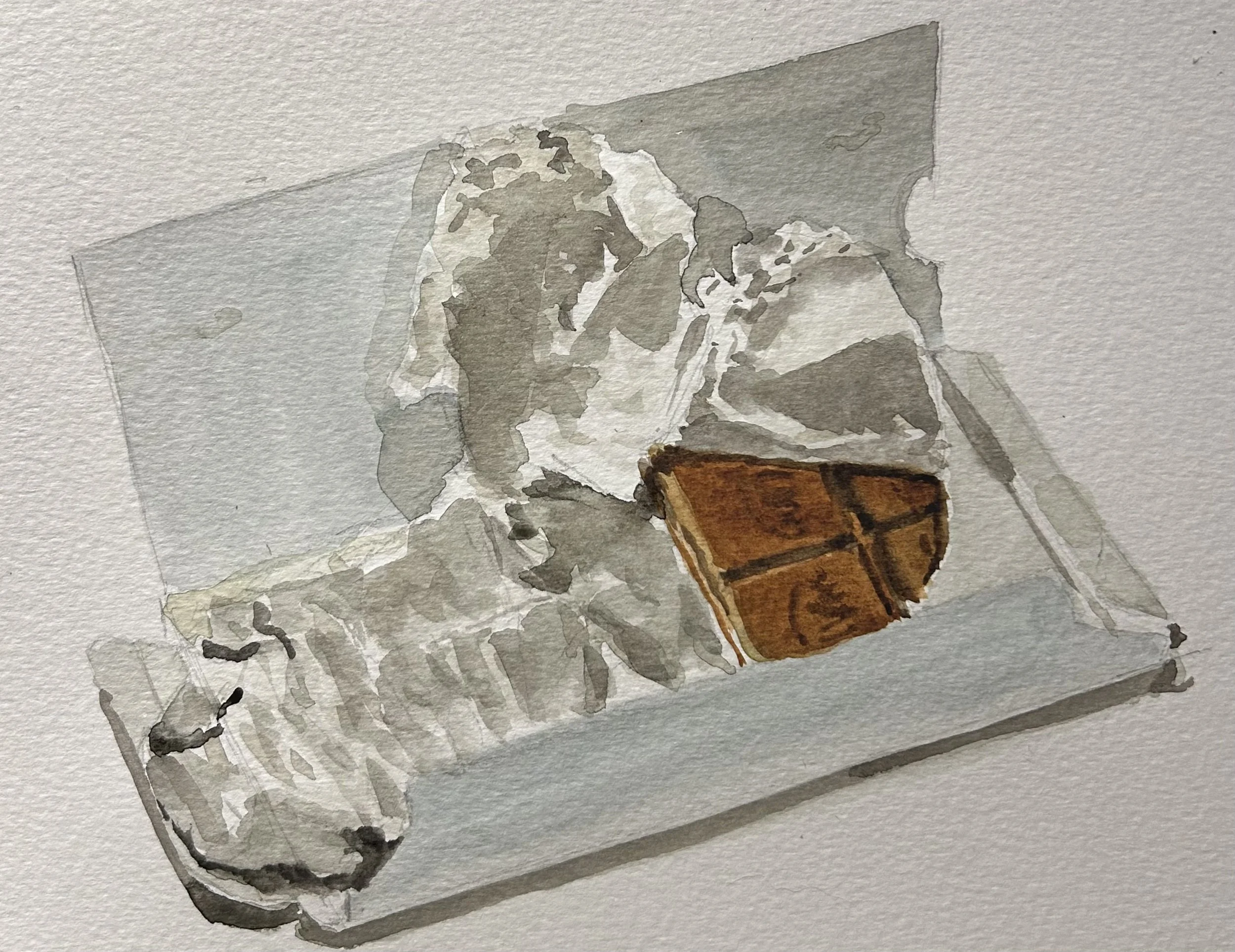
Watercolour painting of a bar or chocolate in its foil wrapping