
They may look similar but there are big differences between plant based fabrics and oil based fabrics. When choosing furnishing fabrics, it would be useful to understanding the difference when creating your mood board or deciding what to buy.
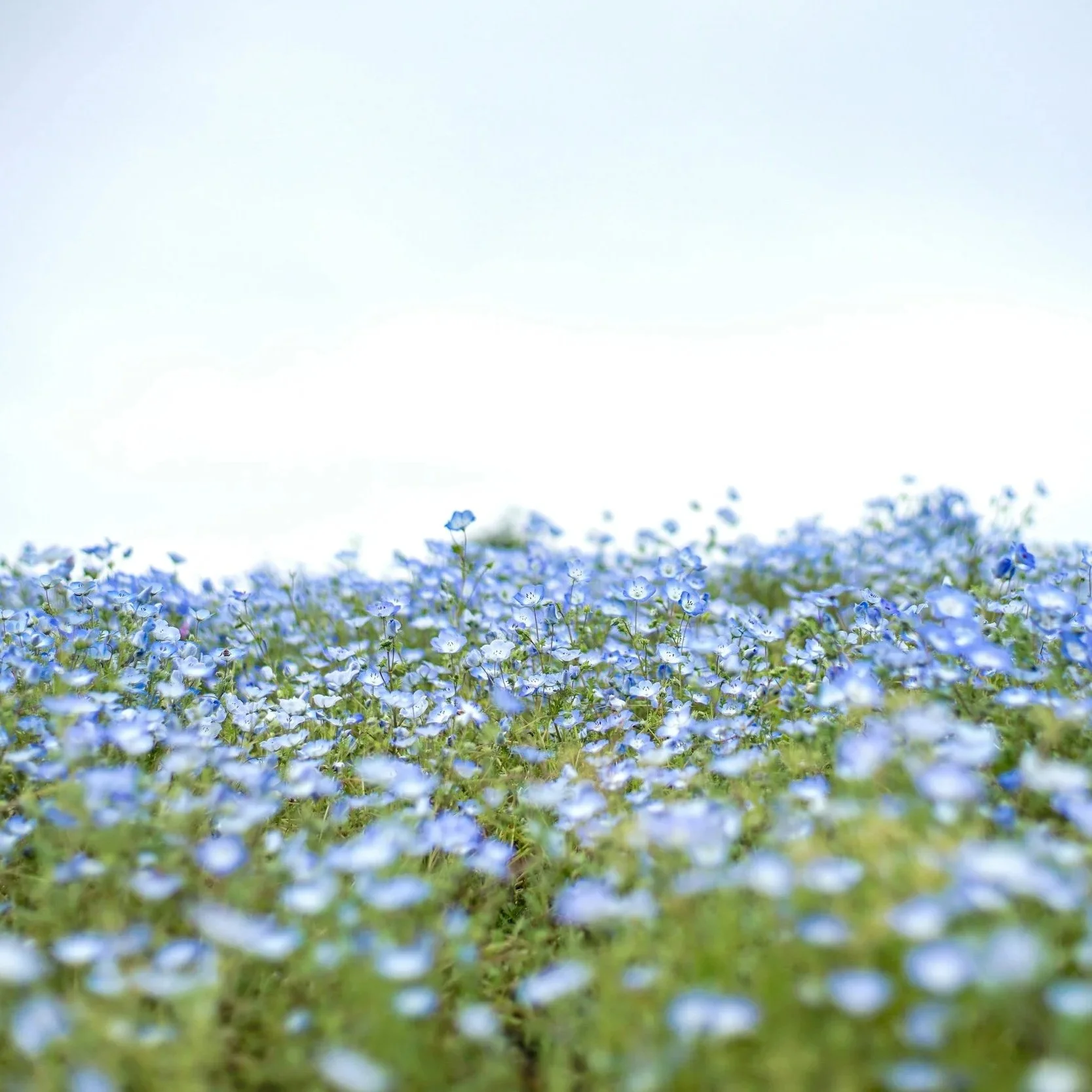
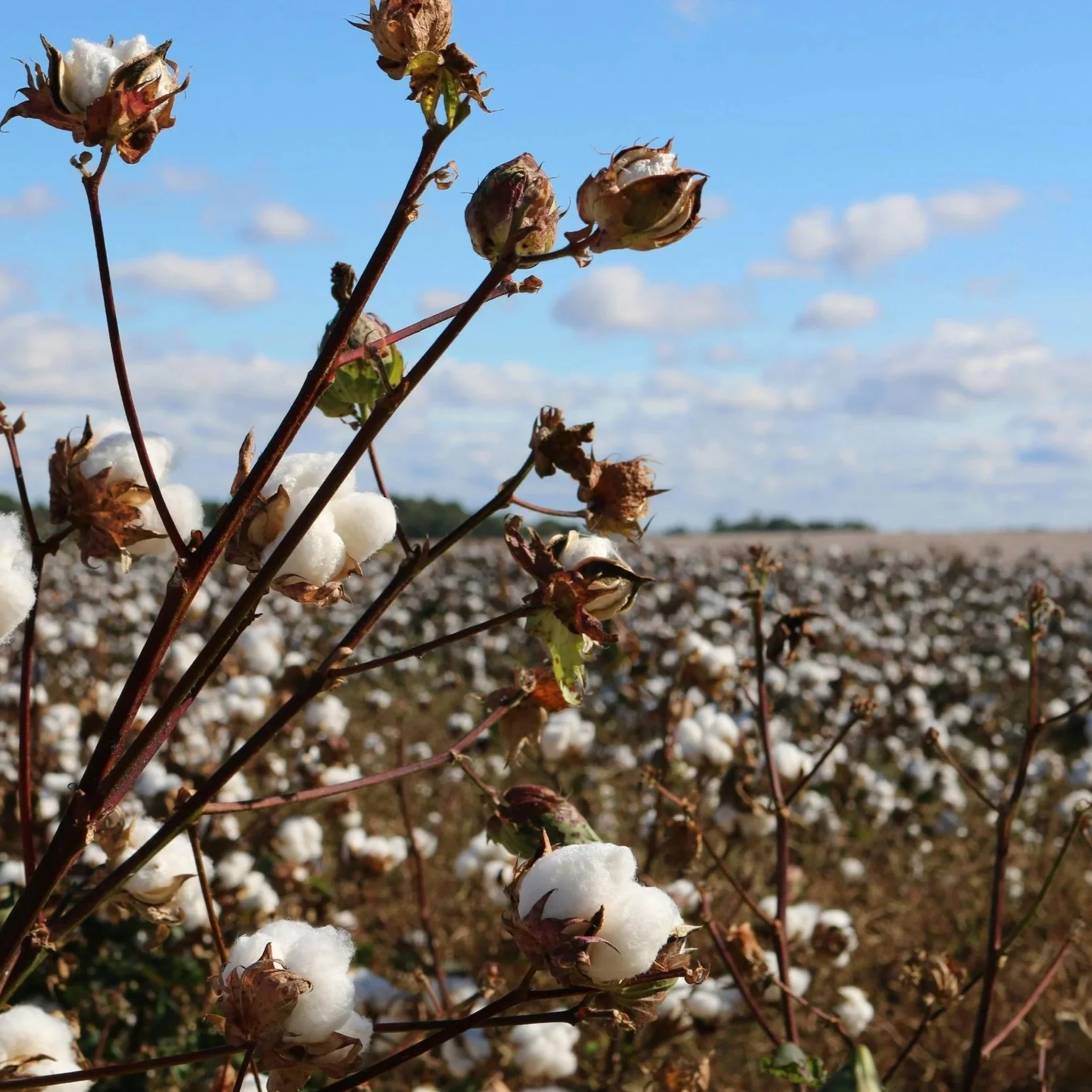
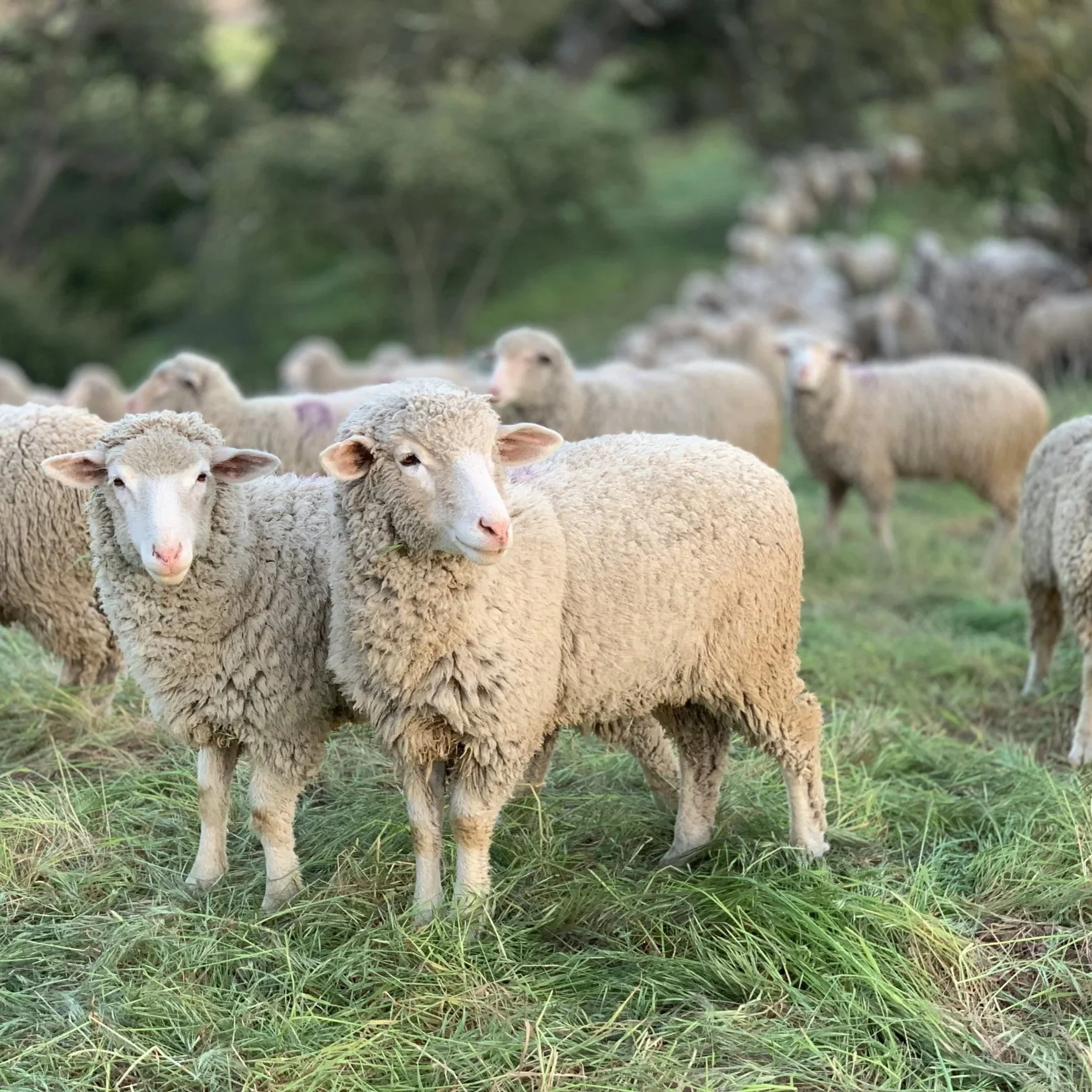
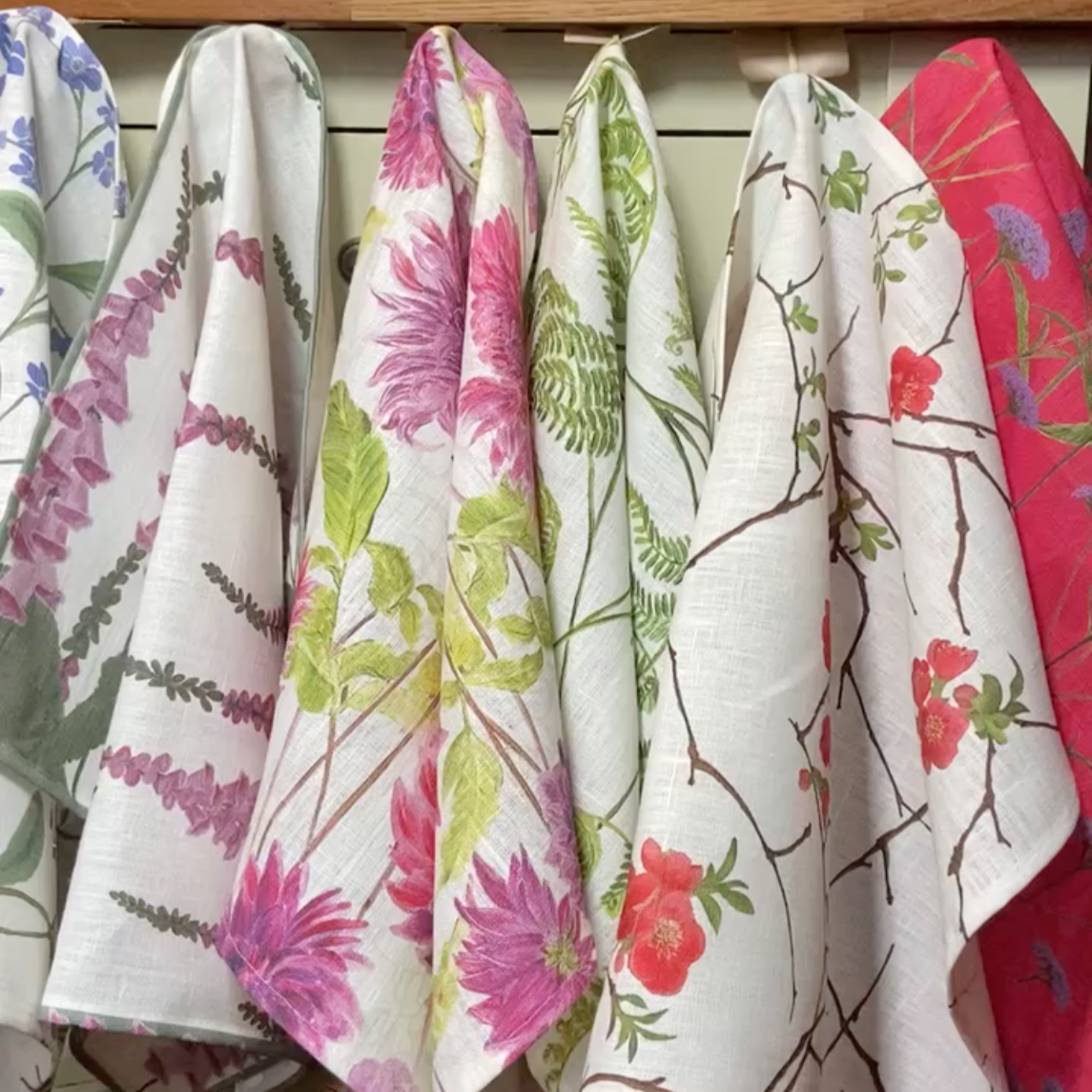
What are natural fabrics? - materials made from plants
Natural fabrics such as wool, cotton and linen have been used for thousands of years. We started taming sheep and using their wool in Mesopotamia around 8000 years ago and we started weaving and trading woollen blankets and clothing more than 6000 years ago. In 5000 BC we began to growing cotton and weave it into cloth in India, Pakistan, and Eastern Africa, while around the same time flax plants were being grown and woven into fabric.
These natural fabrics have been valued for many generations for their breathability, durability, and beauty.
For example, linen is one of our oldest, most durable textiles and one of the loveliest furnishing fabrics, it’s definitely one of my favourites:
It’s the world’s strongest natural fibre
It has an eco-friendly life cycle/recyclable and is biodegradable, it also uses very little water to grow
It’s structurally sound: linen keeps its shape well, so is perfect for curtains
It’s colourfast and launders well, getting softer with each wash
Amazingly, it’s naturally hypoallergenic, some natural fabrics have a built in capacity to absorb smells
It’s anti-static, so no sparks when you sit on it
It has a high moisture absorbency so can absorb 20% of its weight before it feels damp
Because natural fibres grow from the earth, they are a renewable resources, biodegrading (or rotting) back into the ground when we’ve finished with them. When we were all farming our own small holdings and linen was widely used, old clothes were left on the fields to rot down into the soil when they could no longer be worn. The manufacture of natural fabrics relies primarily on agriculture, rather than on industrial chemical processes, and these fabrics leave no residue behind them at the end of their life.
What are petrochemical & Man-Made Fabrics?
Man-made fabrics started to be produced in the 20th century. Materials like polyester and nylon were the first to be developed. In 1938 the DuPont company developed Nylon, which was used for parachutes in the second world war and made into stockings, hence the term ‘Nylons’ instead of tights.
Acrylic was developed in the 1950s and since then hundreds of different fabrics have been created using petrochemicals as their base material. These textiles have amazing advantages such as being durable, anti-crease, stretchy, hard wearing and cheap to produce - think of your yoga leggings, waterproof jacket or pop up tent. But they also have disadvantages.
While some newer fibres such as viscose are derived from wood fibres, they still undergo chemical processing to create the finished textiles, and all of them shed microplastics as they degrade. The environmental impact of these fabrics on nature and on our bodies is increasingly raising concerns.
Five Reasons to Choose Natural Fabrics for Furnishings
Breathability & Comfort – Cotton and linen regulate temperature naturally, making upholstered furniture more comfortable. You may not think this matters for furniture but it means they are more comfortable and pleasant to use through the hot, cold, damp and dry times of year.
Durability with Character – Wool is gorgeous, soft and warm, linen is exceptionally strong, and cotton offers both resilience and softness that improves with age.
Biodegradability – As mentioned before, natural fibres break down and decompose far more easily than synthetics, reducing chemical waste and our impact on landfill.
Lower Microplastic Pollution – Unlike polyester, natural fabrics do not shed plastic fibres into waterways - microplastics are now being found in our seas, food and even blood.
Timeless beauty – The texture and drape of wool, cotton, linen, and cotton velvet, provide depth and references to luxury. Also, their colours fade slowly and naturally, softening as they age, rather than turning into slightly citric versions of themselves as synthetic fabrics do. I’m reminded of plastic flowers or pretend plastic hedging that used to look natural and now looks a strange greyish yellow.
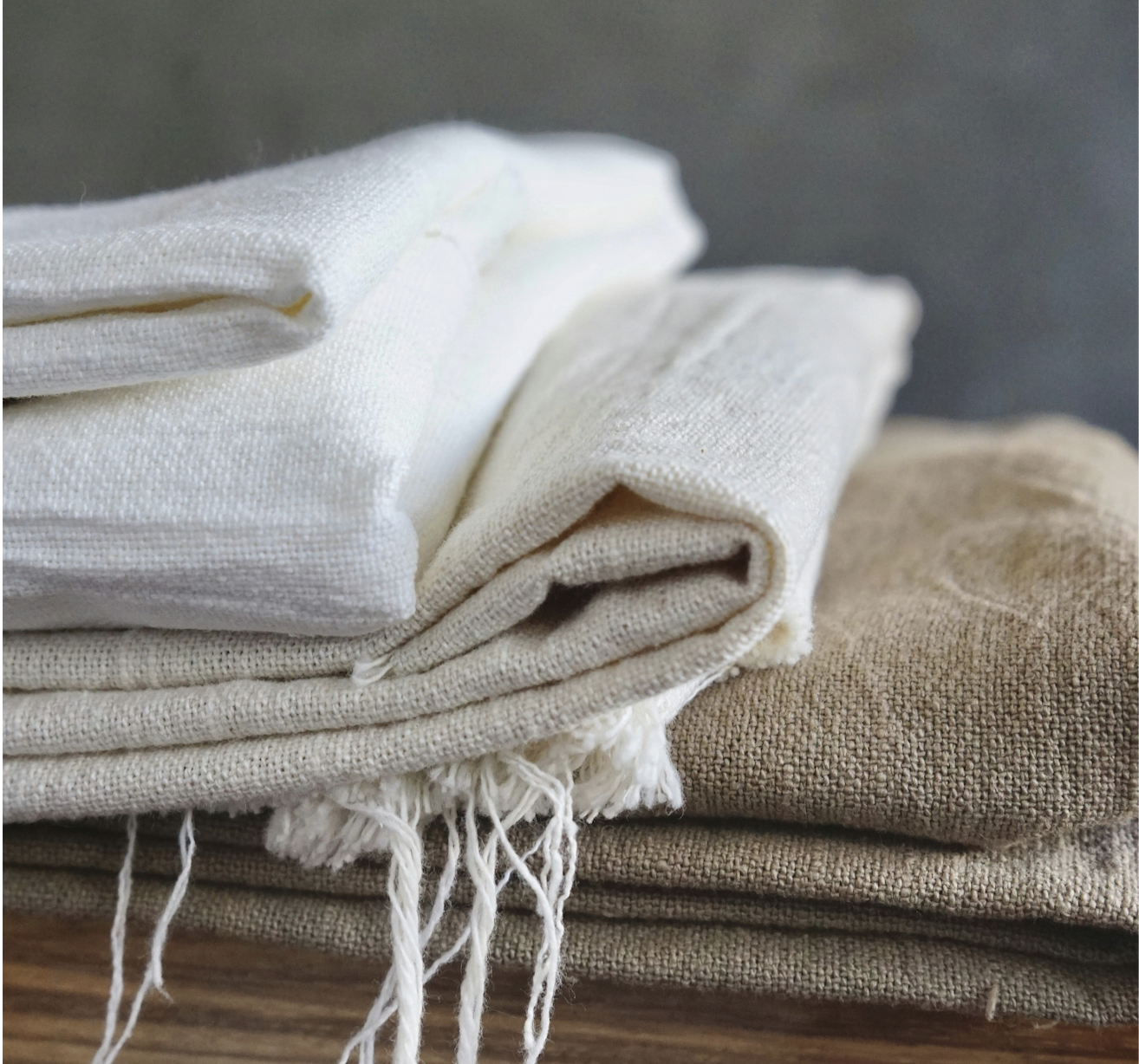
Linen, white and natural or undyed
The three main disadvantages of using man-made fabrics for upholstery
The three reasons I’d choose to use natural fabrics over man-made ones are as follows:
Impact of production on the environment: Man-made fabrics are derived from or use oil to produce, so are associated with all the disadvantages of petrochemical abstraction and use, and are then created using chemicals which have to be disposed of after production.
Impact of microfibres and microplastics on our health. The conclusion of a recent research study published by Science Direct states that “the textile industry generates microplastics that contain harmful chemicals, dyes, and nanomaterials, posing risks to human health and environmental integrity. Microplastics, found in the environment, pose significant risks to human health due to their harmful effects. They can be transferred into the human body through various pathways, including ingestion (Cox et al., 2019; Van Cauwenberghe and Janssen, 2014), inhalation (Prata, 2018a), and skin dermal contact (Prata, 2018a).” Man made fabrics have some significant advantages over natural ones, but they should be used carefully.
Natural fabrics feel so lovely. Finally, simply the joy of using them. When you compare a wool carpet with an acrylic one, or a linen curtain with a polyester one, they feel different. A cotton velvet is softer and warmer than a synthetic one to touch, the linen curtain stays fresh regardless of the humidity and the cotton sofa stays cool in a heat wave.
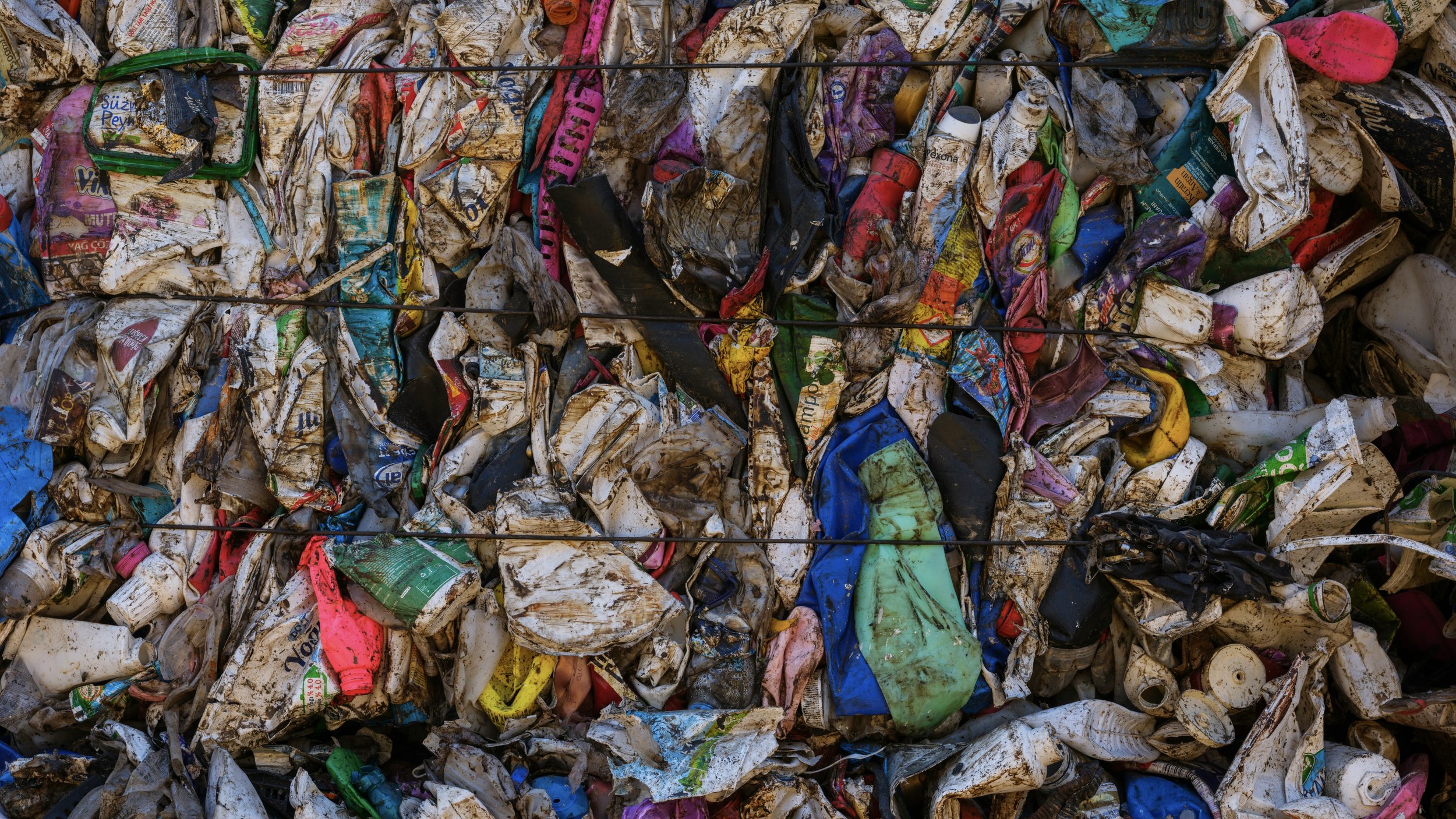
There is hope: Innovation in Fibre, from wood to coffee
The textile world is evolving. Some modern fibres are made from sustainably managed wood sources, and exciting innovations now include textiles created from recycled coffee grounds, coconut husks and nettle fabrics, which are regaining attention for their amazing durability and strength.
However, at the moment, when it comes to furnishing fabrics, I would still use natural options like cotton, linen, and cotton velvet. They are lovely to use, soft to touch, print beautifully, and offer sustainability, comfort, and looks.
What to look for when choosing a natural fabric?
It’s amazingly easy to choose natural fabrics to use for your home or to wear. Rather than providing a guide on what to avoid, it’s easier to tell you what to look for. There are really very few natural fabrics in common use. The names to look out for are:
Cotton
Wool
Linen
Silk
Or, for flooring, Jute, Coir or Sisal
Anything that has poly- in the title, or says ‘with wool’ or ‘with silk’ is likely not 100% natural.
Good luck! Next time, I’ll tell you how to look after your natural fabrics once you’re using them.
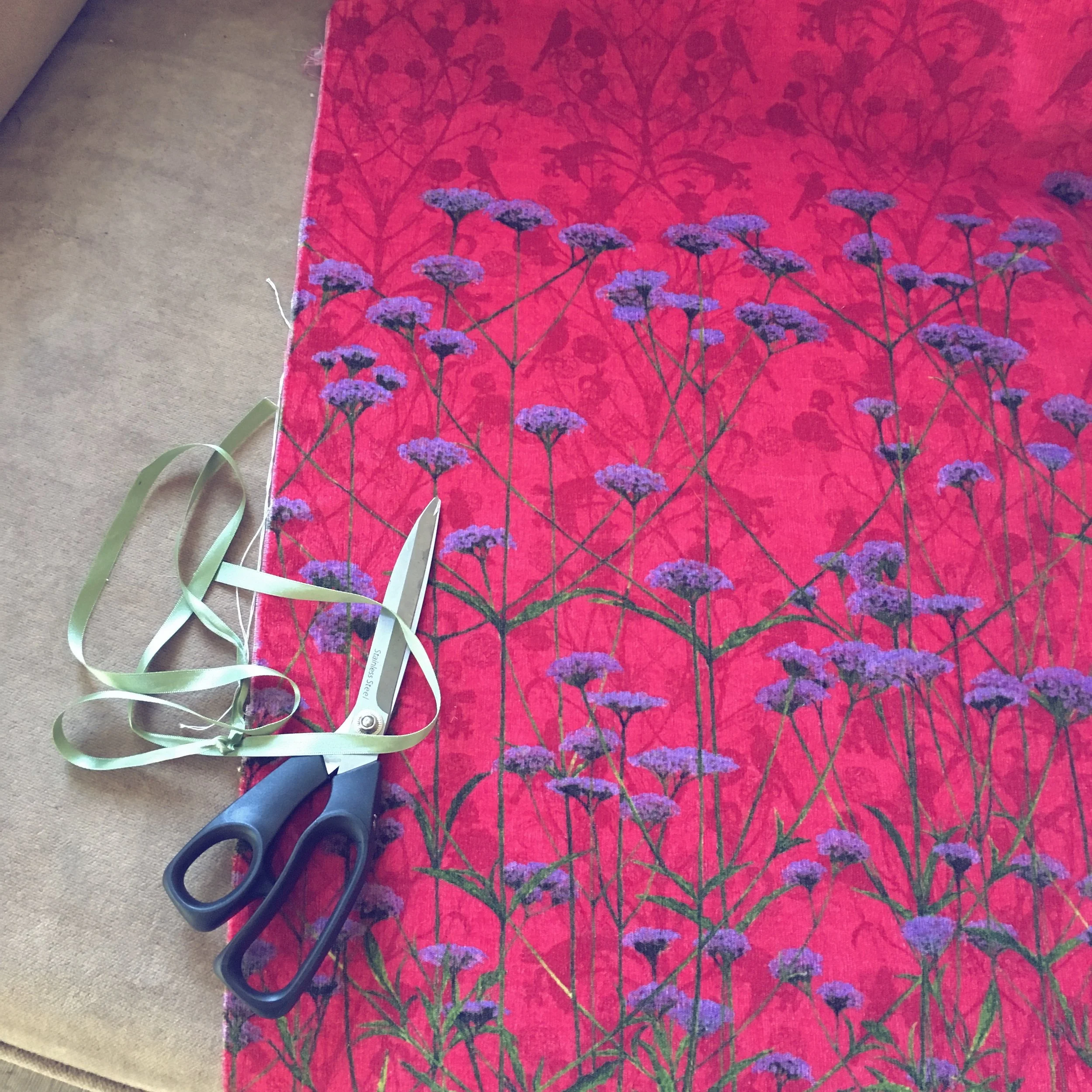
Verbena Flower cotton velvet